Read tips, insights, and stories.

Pay over time, on your terms.
See your options
SkinPen is the first FDA-cleared microneedling device. Here is what the clinical data actually shows on acne scars, how it works, and who it is for.

SkinPen creates controlled micro-injuries in the skin at a precise, consistent depth. Those tiny injuries trigger your body's natural three-phase healing response: inflammation, new tissue production, and collagen and elastin remodeling. The result, over a series of treatments, is improved texture, reduced acne scarring, and more even tone.
Microneedling is a category, not a single device. SkinPen is the first microneedling device to receive FDA clearance. It holds a De Novo classification for treating facial acne scars and a 510(k) clearance for neck wrinkles. No other microneedling device has this level of regulatory validation.
The clearance matters because it is backed by clinical data, not just marketing. In the clinical trial that led to the acne scar clearance, 90 percent of participants would recommend the treatment to others.
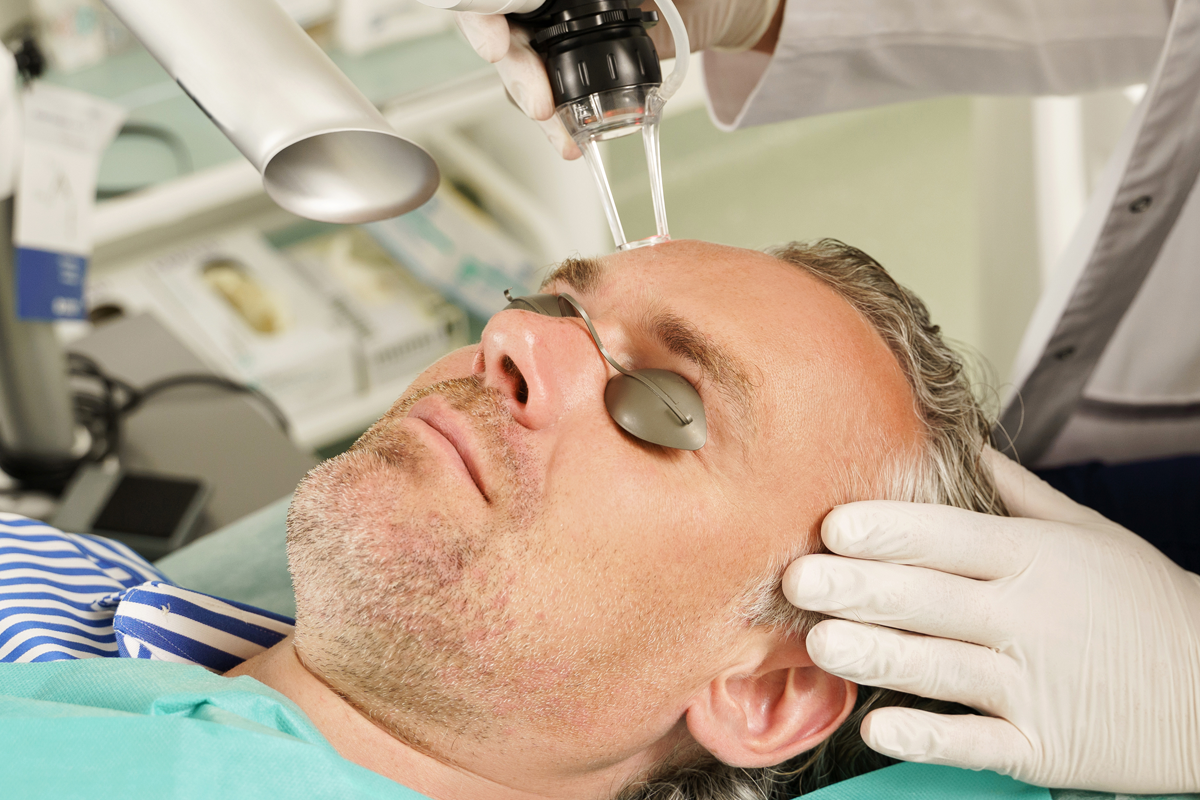
The treatment takes about thirty minutes. A topical numbing cream is applied beforehand. Most patients describe the sensation as a buzzing or light scratching, not pain. Afterward, the treated area looks flushed or mildly sunburned for twenty-four to forty-eight hours. Social downtime is minimal. Most people return to their normal routine the next day.
SkinPen is often paired with a medical-grade chemical peel like Vi Peel to accelerate results. At consultation, Dr. Crenshaw and Melissa will look at your skin and recommend whether microneedling alone will get you where you want to go or whether a combination approach makes sense.
SkinPen is not the right first step if you have very active cystic acne, an ongoing skin infection, or certain autoimmune conditions. Those all get reviewed at consultation, and we will tell you if we are not the right starting point.