Read tips, insights, and stories.

Pay over time, on your terms.
See your options
Ultherapy reaches the SMAS, the layer surgeons tighten in a facelift. Here is how the technology works, and why Charlotte Medical Aesthetics now uses Everesse for non-surgical lifting.

Ultherapy uses focused ultrasound energy to heat a deep layer of tissue called the SMAS, the same layer surgeons tighten in a facelift. It reaches that depth without incisions, without anesthesia, and without recovery time.
Charlotte Medical Aesthetics previously offered Ultherapy. We now use Everesse, a monopolar radiofrequency treatment, for non-surgical lifting and tightening. Everesse is more comfortable, requires no numbing, and carries no risk of affecting the superficial fat pads that keep the face looking youthful. If you arrived here researching Ultherapy, this page explains how the technology works and what we recommend instead.
Most non-invasive tightening devices work on the surface or in the middle layers of the skin. They can help with tone, pore size, and fine texture. They cannot lift.
To get actual lift, you have to act on the SMAS, the superficial musculoaponeurotic system. The SMAS is the fibrous layer beneath your skin that surgeons tighten when they perform a facelift. Ultherapy was the first FDA-cleared non-invasive treatment to reach this layer, which is why it became the reference point for non-surgical lifting.
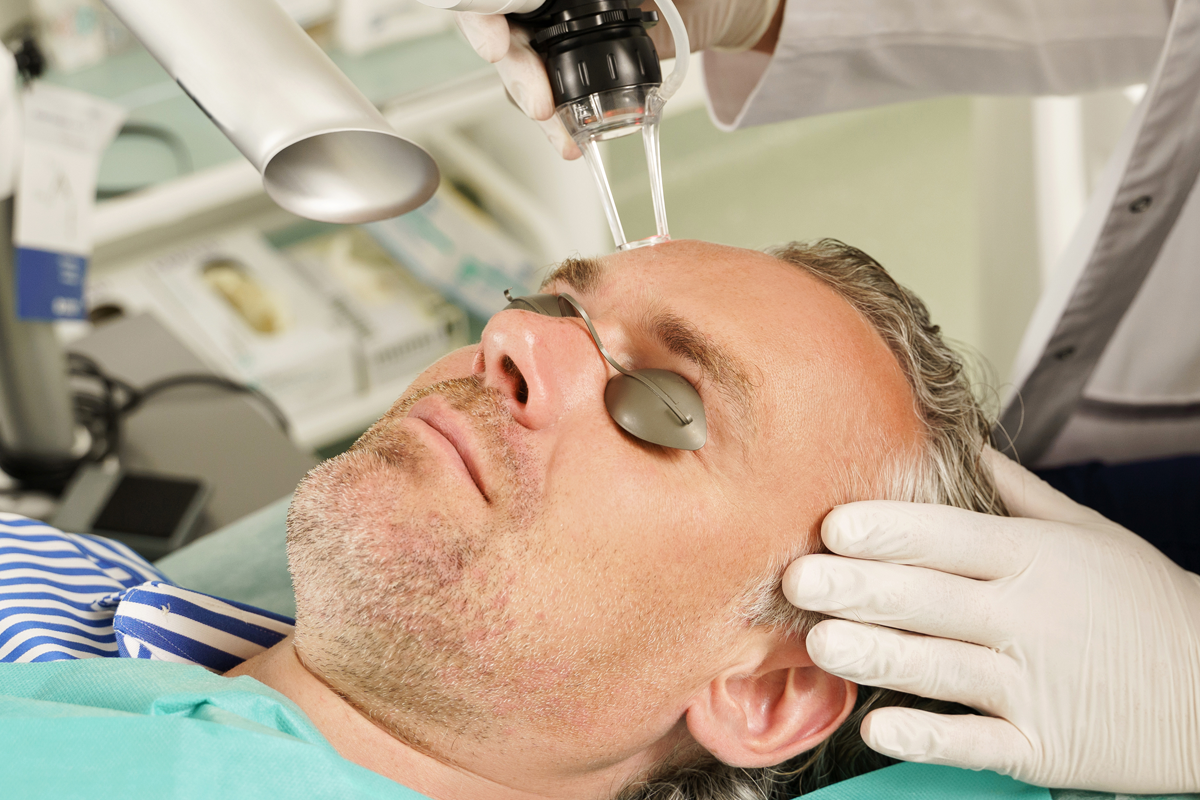
A handheld device is placed against the treatment area. It uses real-time ultrasound imaging so the provider can see which tissue layer is being treated. Small pulses of focused ultrasound energy heat precise points in the SMAS. The heat triggers a wound-healing response, and over the following months the body produces new collagen and elastin in those treated areas.
Patients feel the energy as brief points of heat. Most describe it as tolerable, though it is the part of the treatment people remember, and comfort is one of the reasons we moved to a different technology.
Everesse delivers 6.78MHz monopolar radiofrequency energy in a single continuous pulse, targeting both the papillary and reticular dermis while protecting the surface of the skin. It contracts existing collagen for immediate tightening, then stimulates new collagen over the following weeks.
Three differences matter to patients. Everesse needs no numbing, because continuous water cooling keeps the skin surface comfortable throughout the session. Downtime is limited to an hour or two of mild redness. Unlike focused ultrasound, it carries no risk to the superficial fat pads that give the face its fullness.
You can read the full detail on the Everesse treatment page, one of our laser and energy treatments.
Some tightening is visible right away. The primary results build over the following weeks as collagen remodels, and a series of two to three sessions spaced four to six weeks apart is typical. Results last up to twelve months or more with maintenance.
This is not a facelift. If laxity is advanced, surgery will deliver more dramatic results, and Dr. Crenshaw will tell you that at consultation rather than selling you a series of treatments that will underperform.
If you have been researching Ultherapy, the underlying goal is usually lift and firmness without surgery or downtime. That goal has not changed, only the technology we use to reach it. Book a consultation and Dr. Crenshaw will assess whether non-surgical tightening will meet your goals and which approach fits your anatomy.